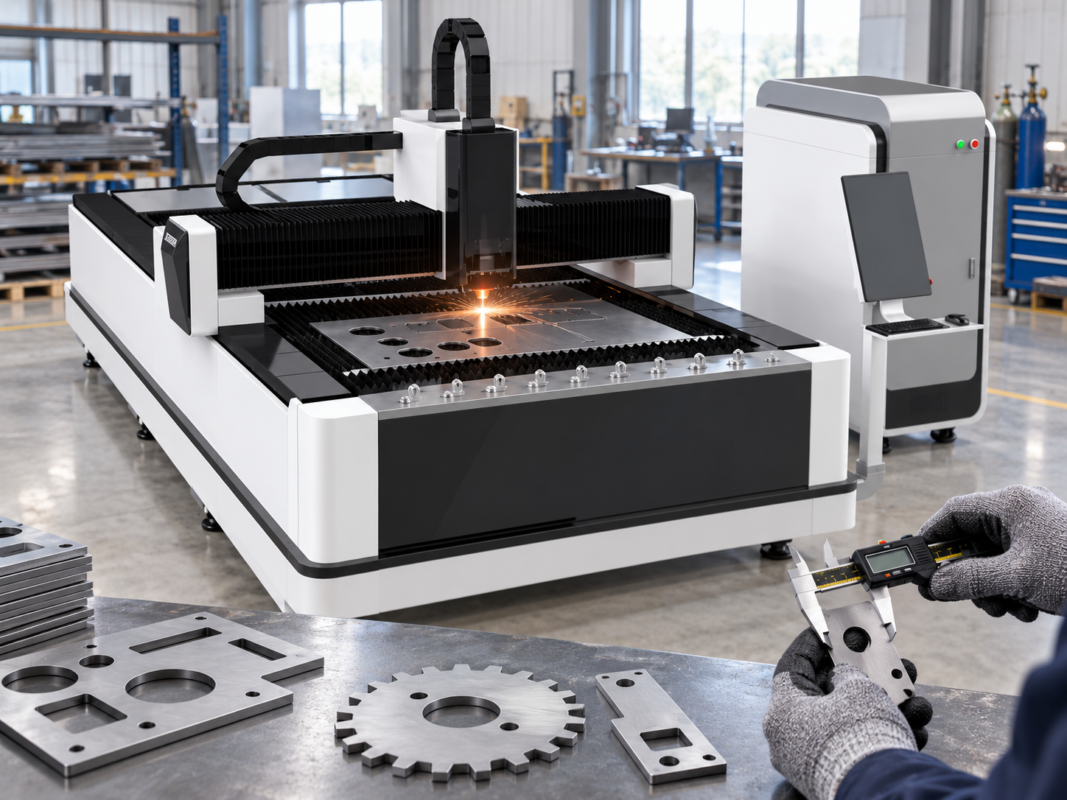
Fiber Laser vs CO2 Laser Cutting Machine: Which One Should You Choose?

Machine Selection Guide
A fiber laser vs CO2 laser cutting machine comparison should begin with the work that generates revenue, not with a headline power figure. A metal-fabrication workshop, a signage business and a mixed-material production company will reach different conclusions because their materials, finish standards, handling requirements and support needs are different.
For recurring sheet-metal work, start with the fiber laser cutting machine range. For acrylic, timber, leather, textiles and other approved non-metals, compare the CO2 laser cutting and engraving range. A business that regularly sells both types of work may need two dedicated processes rather than forcing one machine into unsuitable applications.
The direct answer
Choose fiber when recurring metal-sheet production drives the workload. Choose CO2 when cutting or engraving approved non-metals is commercially important. For genuinely mixed work, compare the cost of two dedicated machines with the cost and lead time of outsourcing the smaller workload.
Fiber Laser vs CO2 Laser Cutting Machine: What Changes in Production?
The technology choice changes more than the material list. It affects the work a business can quote confidently, the way parts move through production, the maintenance tasks operators must manage and the type of demonstration that should be requested before purchase.
Start with the Work That Pays the Bills
Before comparing machine models, list the jobs that generated the most revenue during the last six months. Record the material, normal thickness or size, monthly volume, current cutting time, finishing work and delivery pressure. This separates a commercially useful machine from one that only looks attractive in a brochure.
Metal-focused workshops
A workshop producing cabinets, brackets, guards, panels, electrical enclosures or fabricated assemblies is evaluating a metal-production process. Fiber is usually the more relevant starting point because the machine category is designed around sheet, plate or tube metal work.
The word “metal” is not enough to approve a configuration. Grade, surface condition, thickness, assist gas, hole quality and the required edge finish all affect the result. Reflective materials such as copper or brass should be confirmed against the exact source, cutting head and protection system included in the quotation.
Signage and non-metal production
A signage or display business may care more about acrylic edge appearance, timber cutting, engraving detail and flexible board handling than about metal throughput. In that environment, CO2 can be the stronger production tool because it supports the materials customers request every day.
Not every plastic, composite or coated board is suitable for laser processing. Unknown materials and adhesive-backed products can release hazardous or corrosive fumes. Material documentation, extraction requirements and supplier approval should be checked before a job is accepted.
Mixed-material businesses
A business may sell metal parts and non-metal display work, but one machine rarely gives the strongest commercial result across both groups. A dedicated fiber cell can handle metal while a CO2 system processes approved non-metals. When one side of the workload is occasional, outsourcing may be more sensible than buying a second machine that remains underused.
A practical revenue test
Choose ten representative jobs and calculate the full time from material loading to accepted, sorted parts. Include any grinding, cleaning, polishing or rework. The process that removes the most costly bottleneck deserves the first sample-cut demonstration.
Why Headline Cutting Speed Can Mislead Buyers
A fast cutting head does not automatically create more completed orders. Production also includes piercing, loading, unloading, sorting, inspection and moving parts into bending, welding, coating or assembly. If those stages are already congested, extra cutting speed may simply move the bottleneck.
Measure accepted parts per shift
The useful comparison is the time from a loaded sheet or board to sorted acceptable parts. A demonstration should include common production parts, small holes, corners, narrow sections and realistic nesting. A simple logo or rectangle proves that the machine can cut; it does not prove that it can handle the buyer’s daily workload.
Connect edge quality to the next process
A part is not finished merely because it separates from the sheet. Burr, dross, taper, heat marks and oxidation can add grinding, cleaning or coating preparation. On acrylic, edge appearance may determine whether polishing is required. On metal, the acceptable edge depends on whether the part will be bent, welded, powder-coated or assembled without further work.
Assist gas and process settings also change the economics. The correct comparison is the process that produces the required downstream result at a cost the job can absorb, not the fastest isolated cut shown during a demonstration.
What a useful demonstration should prove
Bring the files and materials used in normal production. Ask for complete cycle time, edge condition, finishing required, consumables used and operator actions between jobs.
Where possible, run more than one sheet or board. A single clean sample does not show repeatability, handling pressure or the time needed to move from one real job to the next.
The Cost Difference Is Bigger Than Electricity
Fiber is often discussed as a lower-running-cost option in metal applications, but the financial result still depends on utilisation, gas consumption, labour, consumables, maintenance and downtime. A machine that is efficient in the wrong workload can still be a poor investment.
Utilities
Compare the complete installation rather than the laser source alone. Chillers, extraction, compressors, gas supply, motion systems and auxiliary equipment all contribute to operating cost.
Consumables and maintenance
Nozzles, protective windows, lenses, mirrors, filters, slats and other wear items affect cost. Confirm which parts are held locally, normal replacement intervals and what must be imported.
Downtime and support
A stopped machine can create overtime, late delivery and emergency outsourcing. Review the available technical support services, training route and critical-spares plan before approving the purchase.
Calculate cost per accepted part
Ask the supplier to help estimate electricity, gas, consumables, labour and expected maintenance for representative jobs. Add any finishing work and rejected parts. Comparing cost per accepted part gives a more useful picture than comparing purchase price or source efficiency alone.
Which Option Fits Common Workshop Scenarios?
General metal fabrication
Fiber is usually the stronger starting point when steel or aluminium parts occupy most shifts, outsourced cutting is delaying delivery or thin- and medium-sheet work creates the backlog.
Signage and display production
CO2 is usually more relevant when acrylic, timber, card, leather or other approved non-metals generate regular cutting and engraving revenue.
Adding metal work to a CO2 business
A separate fiber machine is normally cleaner than stretching a non-metal CO2 platform into recurring metal production. The existing CO2 workload can continue without compromise.
Replacing an older CO2 metal system
Base replacement on measurable pressure: repeated downtime, rising maintenance, weak thin-sheet output, limited software or unreliable parts supply. Technology age alone is not a business case.
What to Confirm Before Requesting a Final Quote
A useful quotation should be tied to a defined workload. Send enough information for the supplier to explain why the proposed machine, source and accessories fit the work.
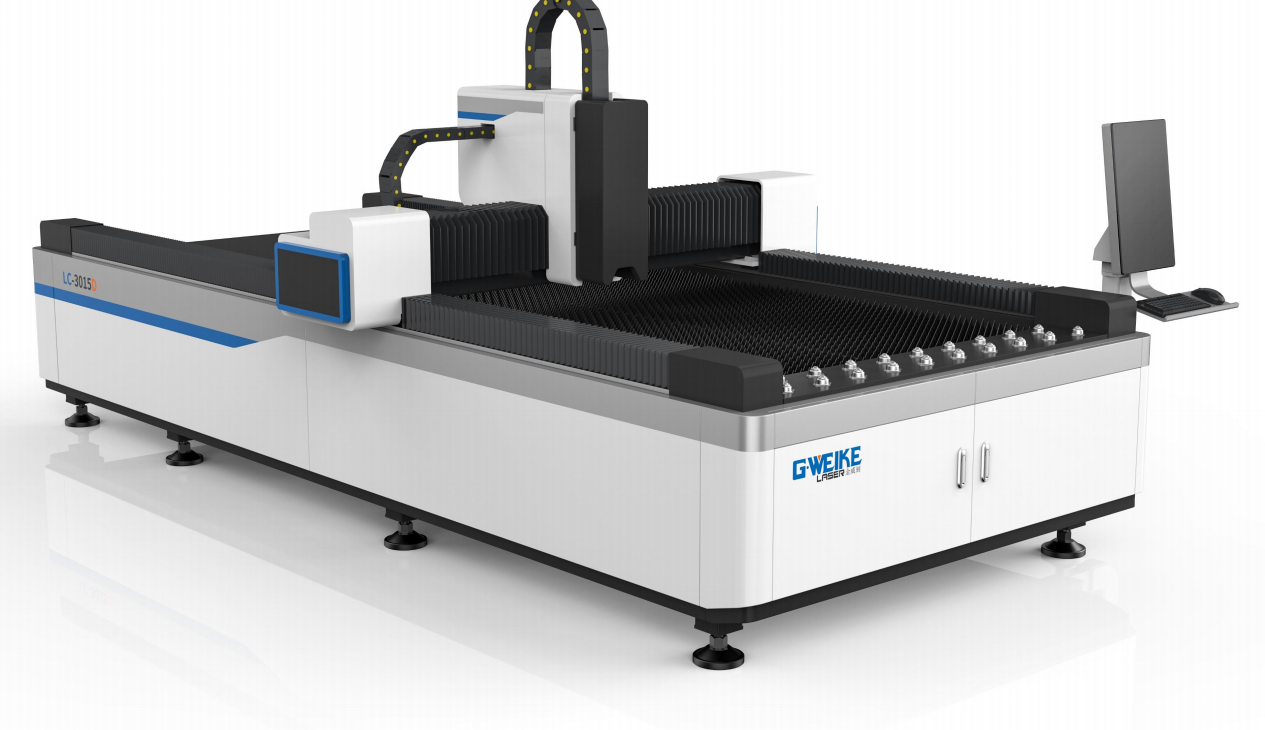
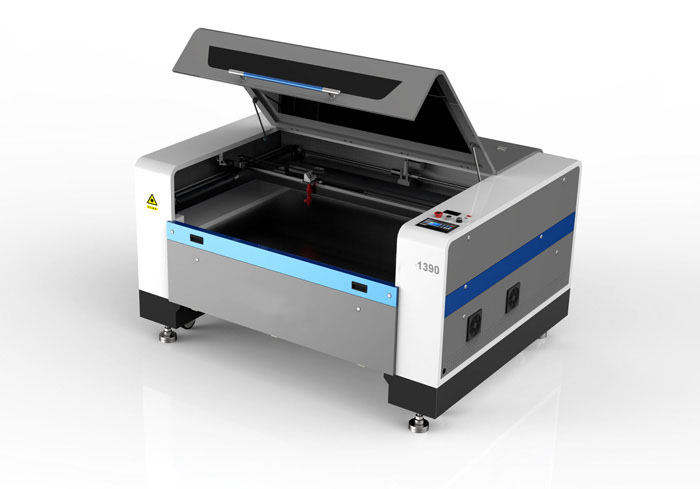
Two Relevant Machines to Review
These models represent different production routes. Treat each page as a starting point, then confirm the current supplied configuration and request sample cuts using your own materials and drawings.
Frequently Asked Questions
Is fiber laser better than CO2 for metal cutting?
For recurring mild-steel, stainless-steel and aluminium sheet production, fiber is normally the stronger starting point. The final result still depends on the exact machine, material, thickness, gas and required edge quality.
Can a fiber laser replace a CO2 machine for acrylic or wood?
A metal-cutting fiber platform is not a general replacement for CO2 non-metal cutting and engraving. Match each material to the exact approved application of the selected machine.
Can a CO2 laser cut metal?
Some industrial CO2 systems can process selected metals, but capability varies by source power, machine design and gas system. A CO2 engraving or non-metal machine should not be assumed suitable for sheet-metal production.
Which technology usually needs less beam-path maintenance?
Fiber normally requires less external beam-path work because the beam is delivered through an enclosed fiber. Both technologies still require routine care of cooling, extraction, optics, motion systems and safety equipment.
Should a mixed-material business buy one machine or two?
When both workloads are regular and profitable, separate fiber and CO2 cells are often more practical. When one material group is occasional, compare outsourcing before purchasing another machine.
What information should be sent with an enquiry?
Send material names and grades, normal thickness or size range, representative drawings, monthly volume, required finish, available utilities and the production problem the new machine must solve.
Related Machine and Support Pages
Choose around real production
Compare the Machine Against the Jobs You Need to Deliver
Send material details, representative drawings, expected volume, finish requirements and workshop conditions. The next step is an application review and sample-cut discussion based on the work you intend to sell.