Metal Laser Cutting Machine: Materials, Thickness and Applications

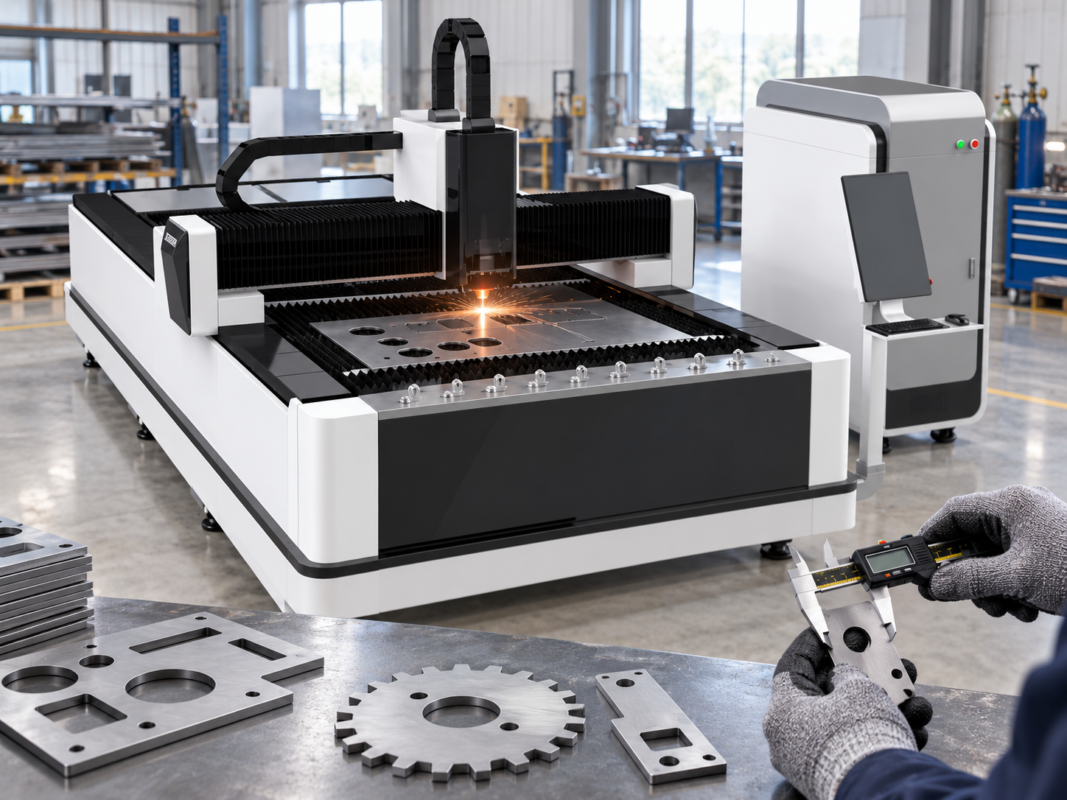
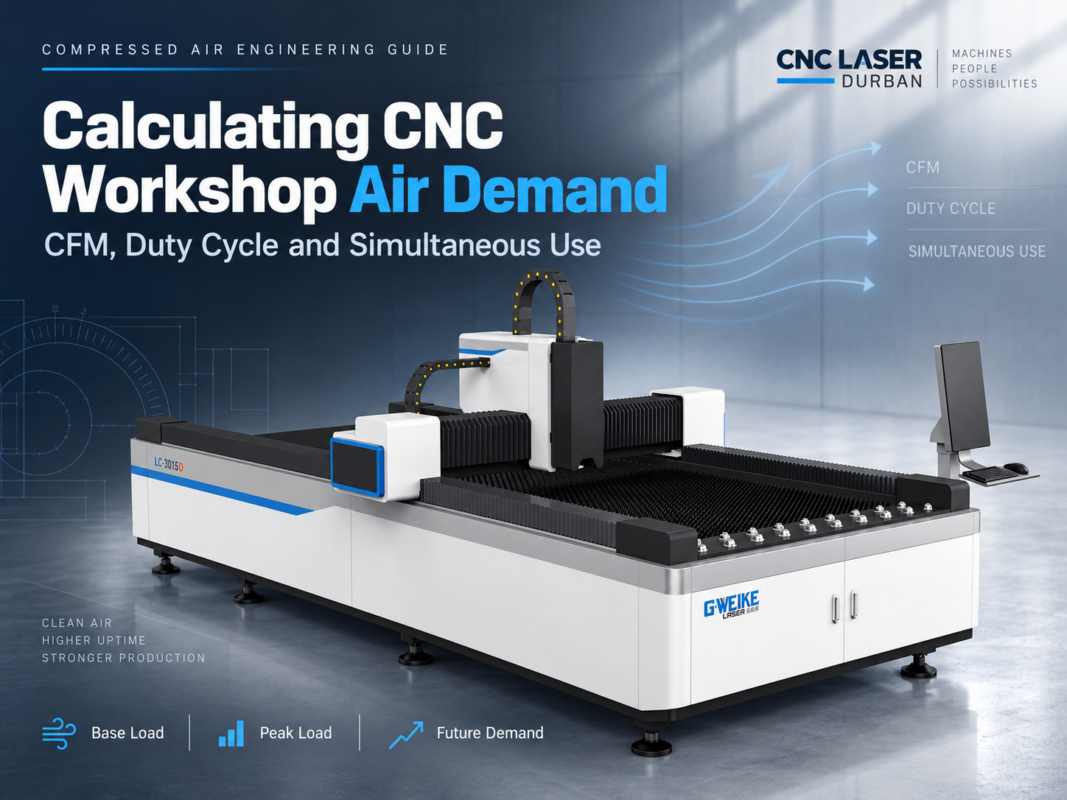
A metal laser cutting machine can process mild steel, stainless steel, aluminium and selected coated or reflective metals, but no single thickness figure applies to every material or machine. The useful question is whether a specific configuration can cut your regular grades, gauges and part geometry repeatedly at the edge quality and production rate your workshop needs.
Article Directory
The practical answer
Use the material you buy every month, the drawings you cut most often and the edge standard required after cutting. Compare complete parts rather than a headline power rating or one maximum-thickness sample.
How a Metal Laser Cutting Machine Handles Different Materials
Fibre laser systems are commonly used for mild steel, stainless steel and aluminium sheet. Selected configurations may also process galvanised steel, copper, brass and pre-painted material. Compatibility still has to be confirmed against the installed laser source, cutting head, assist-gas system and the exact material condition.
Two sheets with the same nominal thickness can behave differently when alloy, scale, protective film, coating or flatness changes. A useful material review records these details before comparing machine options.
| Material | Common Work | Confirm Before Purchase |
| Mild steel | Brackets, frames, guards, base plates and general fabrication | Scale or rust condition, regular thickness range, piercing, dross and whether an oxidised edge is acceptable |
| Stainless steel | Food equipment, cabinets, tanks and architectural components | Grade, finish, protective film, gas supply, heat tint, burr and surface handling |
| Aluminium | Enclosures, transport parts, signs and lightweight structures | Alloy series, temper, thickness, small features, burr and scratch-sensitive surfaces |
| Galvanised or coated sheet | Ducting, panels, cabinets and finished products | Coating type, fumes, extraction, edge appearance and acceptable heat marks |
| Copper or brass | Electrical, decorative and specialist components | Exact alloy, machine approval, reflective-material protection and repeatable sample results |

How to Judge Metal Laser Cutting Machine Thickness Capability
Laser power matters, but it does not create a universal cutting-thickness chart. A machine may separate a plate at one thickness while producing slow piercing, heavy dross or excessive finishing on a real production nest.
Ask for two different figures: the maximum thickness demonstrated under stated conditions and the recommended production range for your required quality and output. The second figure is usually more useful for planning.
| Factor | Why It Changes the Result | Useful Evidence |
| Material and surface | Alloy, scale, rust, coating and flatness affect absorption, piercing and melt removal | Normal production stock, not only clean demonstration sheet |
| Part geometry | Small holes, narrow slots and dense nests can be harder than one large contour | Representative drawings with difficult internal features |
| Assist gas | Gas type, flow and delivery influence edge formation and stable cutting | The gas arrangement proposed for your workshop |
| Edge standard | A hidden bracket and a visible stainless panel do not have the same acceptance limit | Written criteria for burr, oxide, taper, heat tint and finishing |
| Complete cycle | Piercing, loading, unloading and secondary work affect accepted parts per shift | Full-nest time and finishing time, not only straight-line speed |
Do not compare two machines using different materials or different acceptance standards. Use the same sheet, drawing, gas assumption and inspection method so the result is meaningful.
Assist Gas Changes Edge Quality and Operating Cost
Assist gas removes molten material from the kerf and influences the cut edge. The best option depends on the material, the required finish and the available gas infrastructure.
| Gas Option | Typical Reason to Compare It | Check Carefully |
| Oxygen | Selected mild-steel work where the cutting reaction supports the process | Oxide on the edge and any preparation needed before coating or welding |
| Nitrogen | Stainless steel and other approved work where an oxide-free edge has value | Required flow, supply method and whether reduced finishing offsets gas cost |
| Compressed air | Selected applications where the machine and edge standard support it | Pressure, flow, filtration, dryness and the amount of oxidation that remains acceptable |
Match the Machine Format to the Application
Material capability is only one part of the decision. The working area, enclosure, loading method and whether you process sheet, plate or tube should match the regular production mix.
| Production Pattern | Format to Compare | Evidence Needed |
| General flat-sheet fabrication | Open-bed or exchange-table sheet machine | Standard sheet sizes, regular gauges, loading time and complete nest results |
| Larger-format or higher-power work | Enclosed whole-cover platform in a suitable working area | Floor plan, material route, extraction, service access and representative plate tests |
| Visible stainless or aluminium parts | Sheet system with suitable gas delivery and careful handling | Surface finish, film condition, edge appearance and unloading method |
| Recurring sheet and tube work | Plate-and-pipe dual-use or integrated system | Real utilisation split, tube dimensions, profile types and changeover requirements |


What to Include in a Representative Sample Cut
A sample cut is useful only when it resembles normal production. Prepare one compact test pack that covers the work carrying the most volume and the features most likely to cause problems.
- Material details: grade or alloy, temper where relevant, actual thickness, finish, coating and protective film.
- Regular gauges: the thicknesses cut most often, plus one commercially important upper-range job.
- Real drawings: include small holes, narrow slots, corners, bend reliefs and dense feature areas.
- Repeated parts: cut the same component in several sheet positions to check consistency.
- Written acceptance: define allowable burr, oxide, taper, heat tint, surface marking and dimensional tolerance.
- Complete cycle time: record piercing, cutting, loading, unloading and any finishing.
- Downstream check: bend, weld or prepare selected parts for coating where practical.
- Test conditions: record the machine configuration, assist gas and any special setup used.
Prepare the Enquiry Around Real Production Work
Send material grades, regular thicknesses, sheet or tube sizes, representative drawings, expected volume and required edge quality. This gives the sales and technical team a clearer basis for comparing machine formats and arranging a useful sample review.
Metal Laser Cutting Machine FAQs
Related Resources
Fiber Laser Cutting Machine Buying Guide
Use the buying guide for bed size, loading, software, operating cost, training, warranty and quotation checks.
Fibre Laser Cutting Machine Range
Compare flat-sheet, enclosed, tube and combined machine formats available on the website.
CNC Technical Support
Review support, servicing, maintenance and fault-reporting information for supported CNC equipment.