
Fiber Laser Assist Gas Consumption: How to Estimate Usage per Part

Estimating fiber laser assist gas consumption per part is less about finding a universal hourly figure and more about matching two pieces of real production data: how much gas is flowing and how long that flow remains active for the job.
The estimate should stay tied to the actual process combination being reviewed: material and thickness, assist gas, nozzle and process condition, cutting program, and real shop-floor timing.
That distinction matters because a part may spend only part of its total cycle actually using assist gas. Piercing, repositioning and other machine movements can change the relationship between cutting time, cycle time and real gas consumption.
The practical starting point
Gas used per part = actual flow rate × actual gas-on time
The calculation only becomes useful when both values describe the real job rather than a generic machine assumption. If the flow changes between piercing and cutting, calculate each gas-active stage separately and add the results.
Inputs Needed for a Gas-Use Estimate
A useful estimate does not require a long machine specification sheet. It requires enough information to describe the job clearly and to separate what was measured from what was assumed.
In practice, the most useful records are the assist gas being used, the material and thickness, nozzle and process condition, available flow or supply information, cutting time, pierce activity and the number of acceptable parts produced.
Pressure helps describe the process, but it is not the consumption figure
Pressure and flow are related to the gas-delivery system, but they are not interchangeable measurements. Record pressure where it helps identify the process condition. Use actual flow, verified process data or measured supply consumption when estimating volume used.
If the machine does not display a flow rate
Do not convert pressure into a universal gas-consumption figure without a verified basis for that machine and process. Use the machine, cutting-head or gas-system documentation for the same gas, nozzle and operating condition where reliable flow data is available. If direct flow is still unavailable, measure a defined production batch from the supply side and use that result to establish a calibrated gas-use figure for the job.
Per-Part Estimation Framework
Once the job inputs are clear, the calculation is simple. The important part is defining the gas-active time correctly and using the flow that belongs to that process stage.
Core relationship
Gas volume = flow rate × gas-on time
If piercing and cutting use different flows, calculate each stage separately: total gas = Σ(stage flow × stage gas-on time).
Keep the units consistent. If flow is recorded per minute, the time in the calculation needs to use the same time basis; convert units before combining values recorded on different bases.
For repeat production, it can be easier to measure a complete nest or short production batch rather than trying to assign every machine movement to an individual part.
Use verified flow × actual gas-on time
Run a known production quantity
Compare with actual supply use
Measured batch method
Measured gas use per acceptable part = measured gas consumed during the defined batch ÷ acceptable parts produced.
If the measured result repeatedly differs from the first calculation, the difference becomes useful information. It may point to unrecorded gas-on time, process changes, leakage or a measurement method that needs to be reviewed.
Cut Time vs Total Cycle Time
This is where many estimates become inaccurate. A part can spend time on the machine without using assist gas continuously.
The cycle may contain cutting, piercing, rapid moves, repositioning, sensing and other non-cutting actions. Which of those periods use assist gas depends on the actual control logic and process.
Use cut time when
It closely matches the real gas-on period
This is appropriate when the recorded cutting duration captures the periods in which assist gas is actually flowing.
Do not use cycle time automatically
Non-cutting time may not consume gas
Repositioning and other movements should only be counted when the actual machine sequence keeps gas active.
Pierce-heavy parts deserve particular attention. Two components can have similar cutting length but different gas demand if one contains many more internal features and pierce events.
How to establish the gas-on period
Use the most reliable production record available for the machine and job. Depending on the setup, that may come from the controller, a production or event log, the CAM or nesting estimate, or a timed short batch.
- Confirm whether the recorded cut time includes piercing, dwell or other gas-active stages.
- Do not add rapid moves or repositioning unless the machine keeps assist gas active during those periods.
- If the software time cannot be separated reliably, use a measured batch and calibrate against the actual supply change.
The fiber laser cutting machines category provides broader machine context, while the gas calculation should remain tied to the exact model and job being reviewed.
Cylinder, Bundle or Bulk Supply Planning
Once a reliable per-part figure exists, it can support supply planning without assuming a standard cylinder or bundle capacity.
Use the documented usable quantity for the actual supply arrangement. The planning logic is then straightforward.
Gas required for a planned batch
Calibrated gas use per acceptable part × planned part quantity
Approximate production from available gas
Verified usable gas quantity ÷ calibrated gas use per acceptable part
Keep the supply record and production record separate. Cylinder, bundle and bulk systems can report available gas differently, so the source of the quantity should remain clear.
Keep units on the same basis before calculating. Do not combine values recorded in litres, cubic metres, normal cubic metres, kilograms or different time bases without converting them first.
Gas Consumption Log
The most useful improvement to a first estimate is a simple production log. When the job returns, the workshop can compare the new run with a previous measured result instead of starting from a generic assumption again.
If scrap or an interrupted cycle occurs, record it instead of hiding it inside the average. Production planning is more useful when consumption is related to usable parts rather than every cycle attempted.
Why Estimates and Actual Consumption Differ
A gap between the calculated value and real supply usage usually means the production conditions contain something the first estimate did not capture.
Nozzle diameter, design, condition or alignment
A different nozzle or a change in nozzle condition or alignment can change gas delivery and cutting behaviour compared with the conditions used when the estimate was established.
Gas leaks
Supply consumption can rise even when the cutting program has not changed if gas is being lost before it reaches the intended process.
Piercing and program behaviour
Jobs with more pierces, different piercing settings or different sequencing can consume more gas than a simple contour-time estimate suggests.
Changed process conditions
A historical figure should not automatically be carried across to another material, thickness, gas condition, nozzle or changed process setup.
Measurement differences
A flow reading and supply-depletion record can come from different points in the system. Keep the source of each measurement with the calculation.
When a repeat job suddenly stops matching the log
Check whether the process, nozzle, supply condition or machine behaviour changed before simply replacing the old estimate with a new number.
CNC Laser Durban’s technical support section provides the appropriate next route when machine behaviour or supported equipment needs to be reviewed.
What to Send for LF3015LN Review
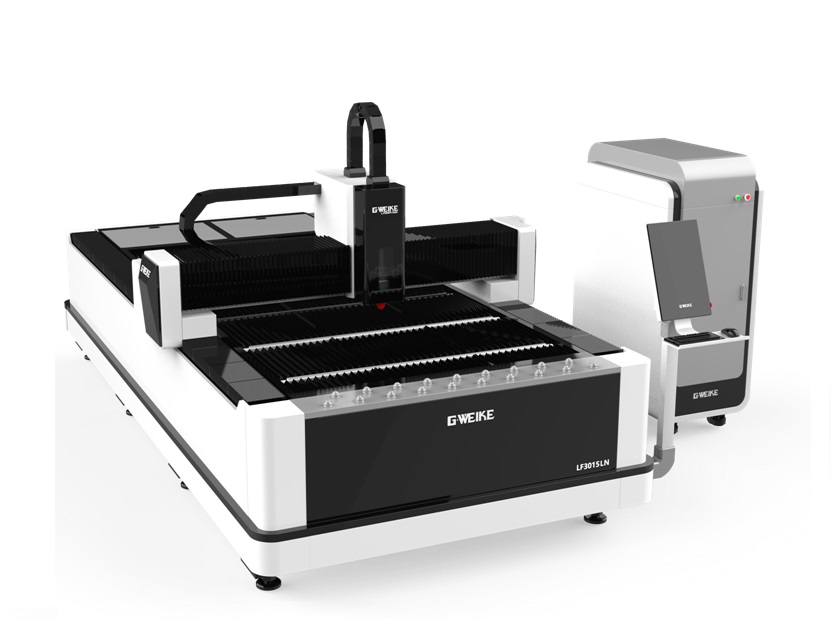
For the LF3015LN fiber laser, the useful question is not “How much gas does this machine always use?” but “What information is needed to estimate this particular job?”
Prepare the material and thickness, assist gas, nozzle, relevant pressure or process setting, available flow or supply information, part drawing or nest, cutting time, pierce quantity and expected production quantity. These inputs provide a much stronger basis than assigning a fixed consumption figure to the machine.
When this model reference is useful
Use the product page to confirm the machine being discussed
The LF3015LN page is useful when the workshop is already reviewing this model and needs to keep the consumption calculation tied to the correct machine.
It is not a substitute for job data. Actual material, gas, nozzle, process condition, program behaviour and gas-on time still determine the estimate.
Before requesting a review
Send the actual job information rather than only asking for an hourly gas figure. A drawing, material and thickness, gas type, nozzle, relevant pressure or process setting, available flow or supply data, cutting time, pierce count and planned quantity give the review something that can be checked against real production.
Frequently Asked Questions
Make the Estimate Easy to Check Again
The most useful gas estimate is not the one with the most assumptions or decimal places. It is the one that another person in the workshop can trace back to a real job.
Use verified flow or measured supply information, identify the real gas-on period, keep the nozzle and process condition with the record, and calibrate the result against a known production run. That gives production planning a per-part figure that can be checked again when the job returns.
Prepare a reviewable gas-use estimate
Send the Job Data, Not Just the Machine Model
Send the material, thickness, assist gas type, nozzle, relevant pressure or process setting, actual or verified flow or supply information, cutting time per part, pierce quantity, planned quantity and machine model. These inputs make it possible to build a gas-use estimate that can later be checked against real production.









One thought on “Fiber Laser Assist Gas Consumption: How to Estimate Usage per Part”