Fiber Laser Cutting Machine Buying Guide for South African Manufacturers


A Fiber Laser Cutting Machine should match recurring production work, not only an advertised power figure. Material type, common thickness, sheet size, batch pattern and required edge quality should define the shortlist. Power, working area, gas supply, software and local support can then be compared against real samples and factory conditions.
The direct answer
Choose the configuration that completes the most common part mix reliably, fits the available floor space and utilities, and includes suitable training and support. Before approval, verify performance with real drawings, normal production material and clear acceptance criteria.
|
Define the workload Record materials, thickness ranges, sheet formats and recurring parts. |
Test real production files Compare full nests, accepted edges, gas use and finishing time. |
Confirm the complete project Include installation, training, maintenance, software and support. |
1. Define the Production Requirement First
Start with at least twelve representative months of production data. Separate recurring work from occasional jobs. Otherwise, a rare requirement may increase the machine specification without improving normal output.
The most useful information is not monthly tonnage alone. Part geometry, pierce count, sheet changes, programming time and unloading effort also affect capacity. Therefore, the shortlist should reflect the full route from drawing to accepted component.
Record these items before requesting a quotation:
| Materials and grades | Common thickness ranges | Standard sheet dimensions |
| Monthly batches and repeat parts | Required edge condition | Current finishing and rework |
| Available floor space | Electrical and gas services | Expected production growth |
A representative sample pack should include common parts and difficult features. Small holes, narrow slots, high pierce counts and heat-sensitive geometry often reveal more than a simple demonstration shape.

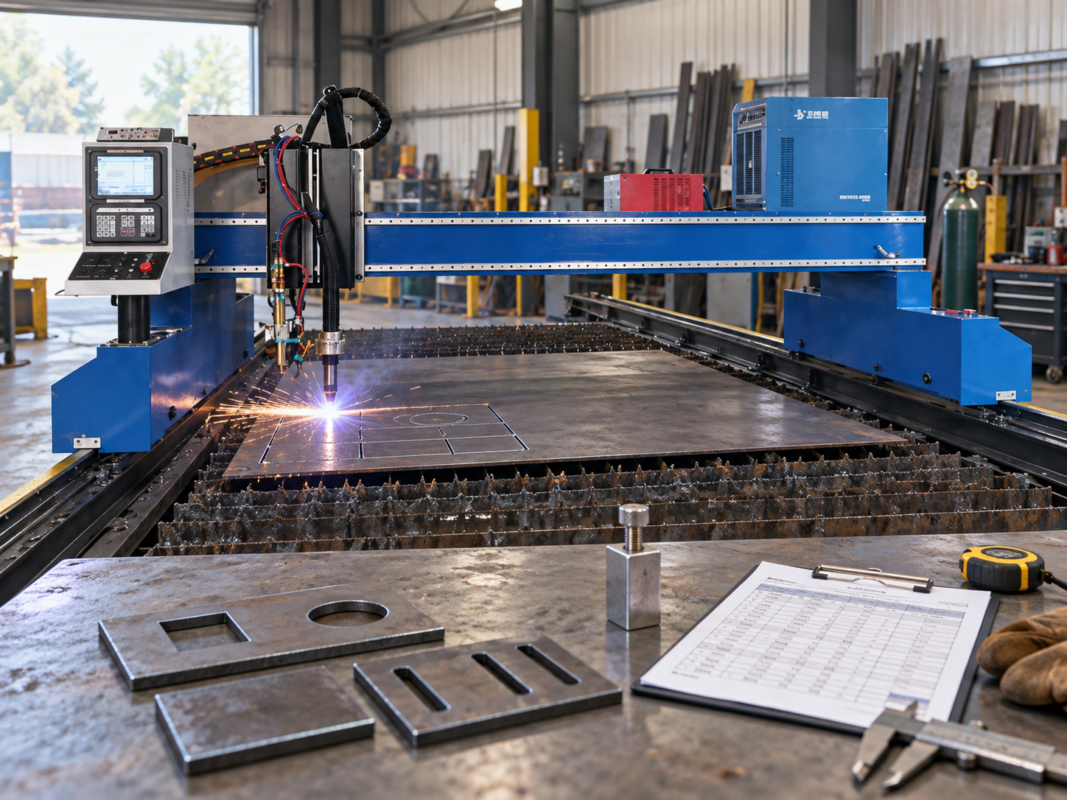
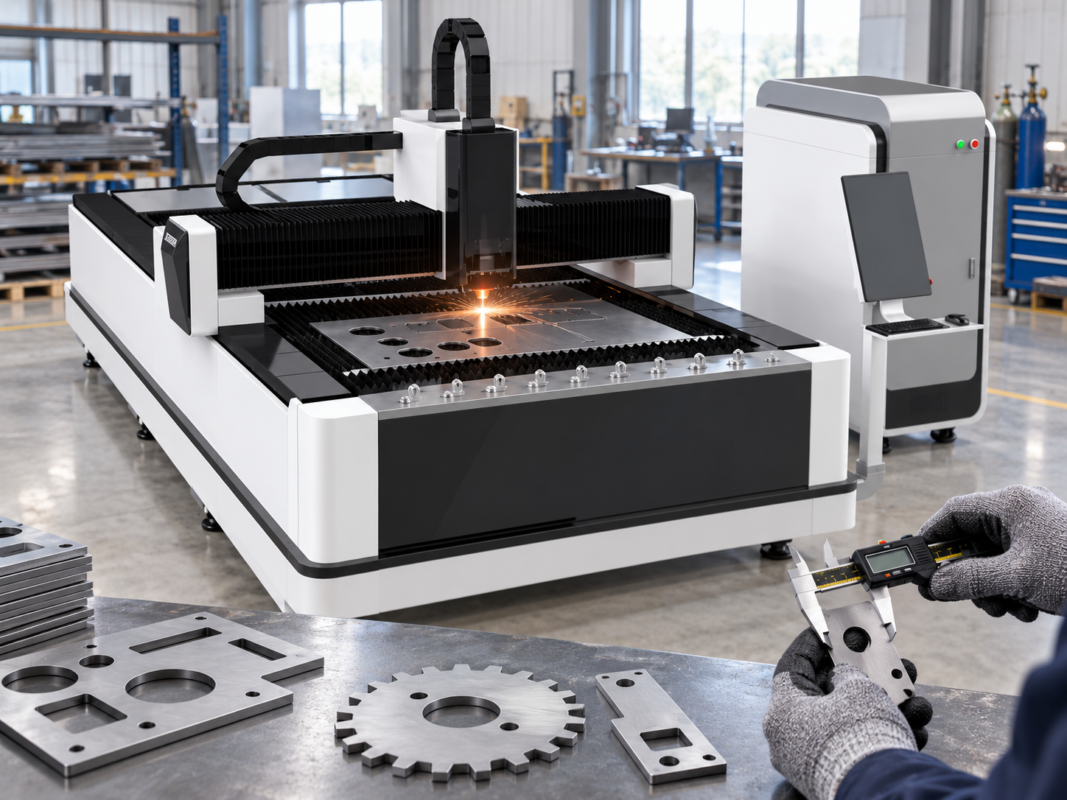
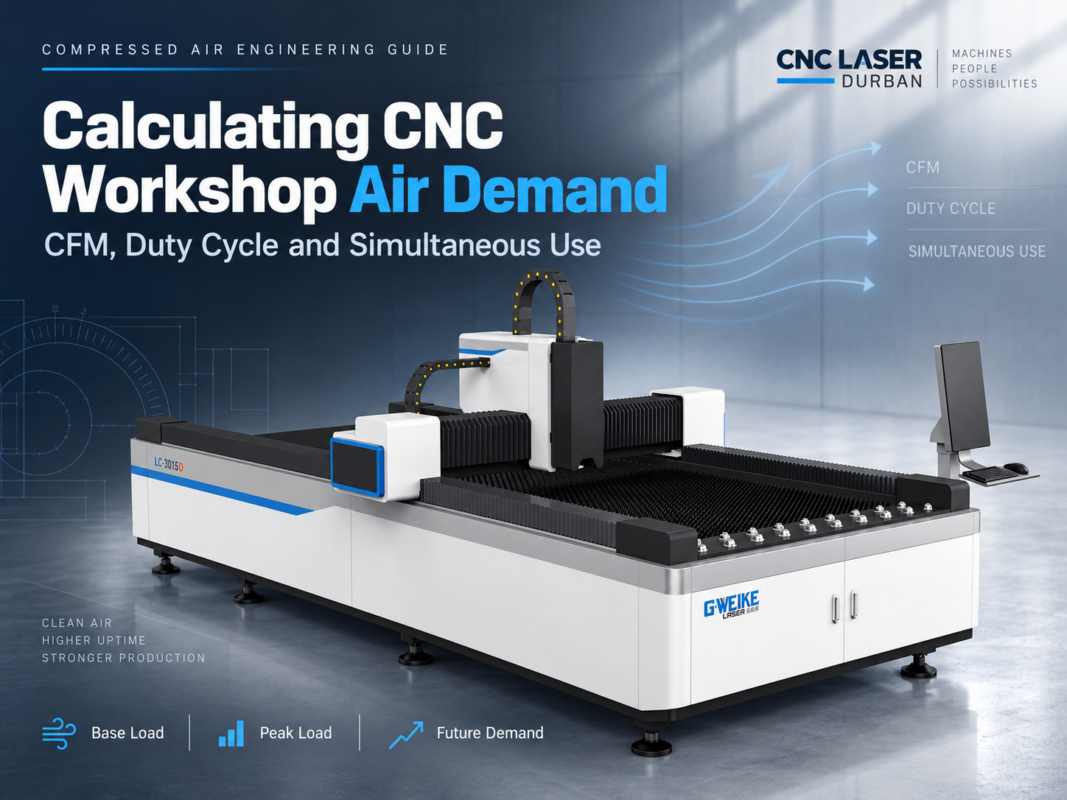
LF3015E II Open-Bed Sheet Cutting Format
This format deserves consideration where standard sheet work, direct bed access and straightforward loading are central to production.
2. Choose Laser Power From Verified Cutting Results
Laser power affects speed, piercing and process flexibility. However, power alone does not determine productivity. Motion control, cutting-head setup, gas delivery, software and material condition also influence the final result.
The recurring thickness range should carry the greatest weight. Occasional heavy work can then be compared against outsourcing cost or another process. This approach prevents a rare job from defining the entire investment.
| Production pattern | Power comparison focus | Evidence required |
| Mostly thinner sheet | Acceleration, piercing and complete nest time | Common parts cut from normal production material |
| Mixed material and thickness | Stable quality across the recurring workload | Several nests using the intended assist gases |
| Repeated demanding work | Sustained output and supporting infrastructure | Recorded cycle time, edge quality and utility assumptions |
Full nests provide better evidence than straight-line cutting speed. The test should include loading, piercing, cutting, unloading and any secondary finishing. Accepted parts per shift are more valuable than an isolated maximum speed.
3. Select the Bed Size and Loading Format
The working area should match the sheet formats purchased most often and the largest recurring components. An undersized bed creates extra setups. An unnecessarily large format can consume floor space and complicate handling.
A fixed table may suit varied or lower-volume production. An exchange table can reduce non-cutting time where repeat batches justify faster loading. Automated handling may add value under stable demand, but only when sheet condition, sorting and downstream capacity also support it.
| Production requirement | Format to investigate | Confirm before approval |
| Standard flat-sheet production | Open-bed or exchange-table system | Sheet size, access, loading time and edge quality |
| Enclosed operation or larger formats | Whole-cover system | Extraction, service clearance and material route |
| Recurring sheet and tube work | Integrated plate-and-tube system | Utilisation split, profile limits and changeover |

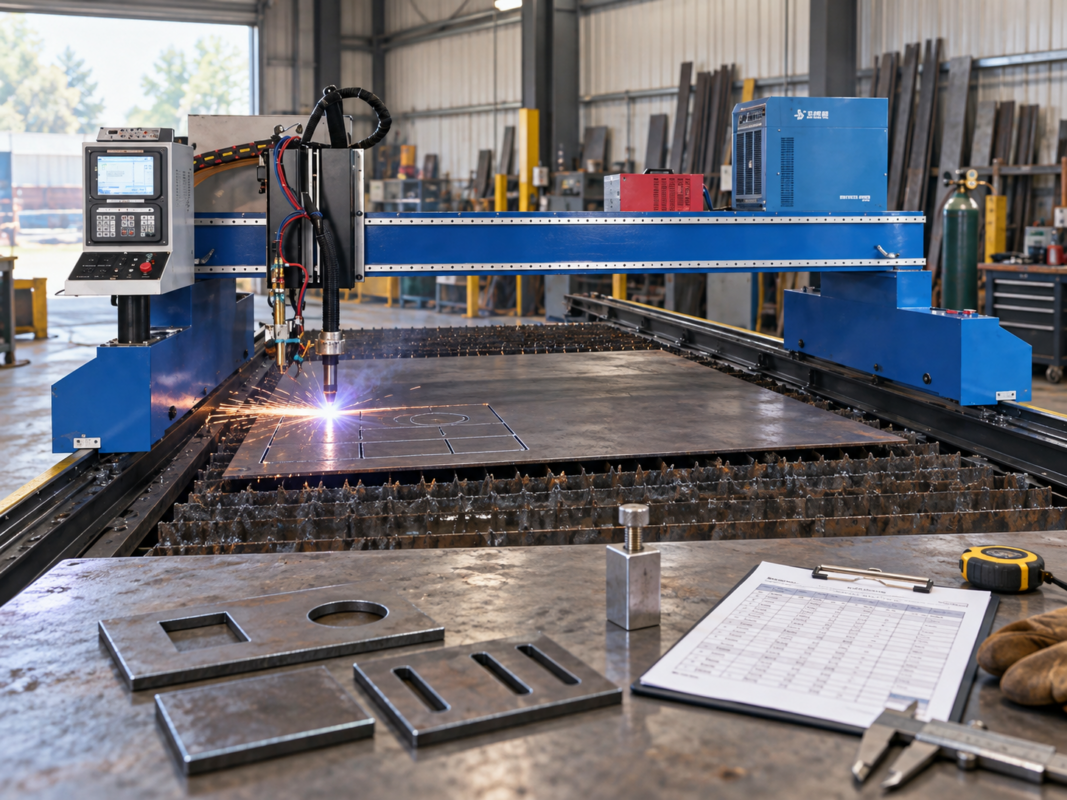
Whole-Cover Sheet Cutting FormatRelevant where an enclosed structure, exchange platform or larger working area forms part of the project. |

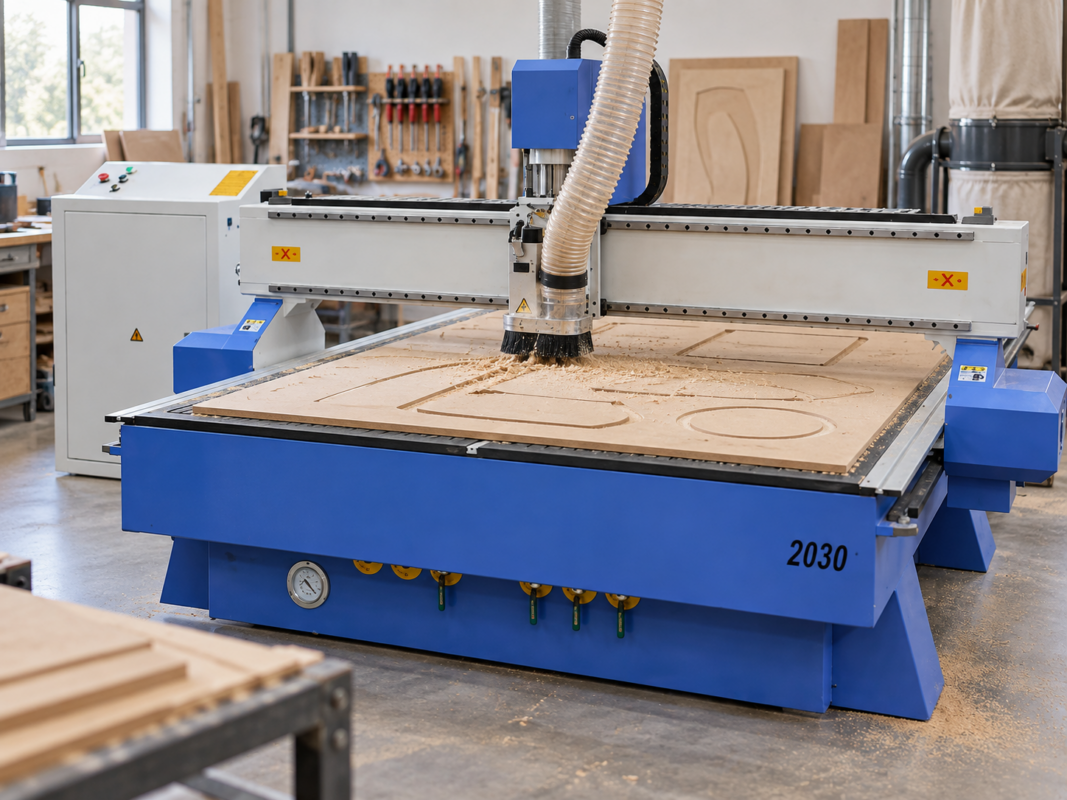
Integrated Plate-and-Tube FormatRelevant where flat sheet and profile cutting both appear regularly in the production schedule. |
Compare available configurations against real production work
Material details, sample drawings, standard sheet sizes and a measured factory layout provide a practical basis for the first technical discussion.
4. Compare Assist Gas, Software and Operating Cost
Oxygen, nitrogen and compressed-air strategies support different cutting goals. Gas selection should therefore reflect material, edge requirement, downstream finishing and supply cost. The correct comparison is gas cost per accepted part, not only the price of a cylinder or bulk unit.
Software also affects daily productivity. Drawing cleanup, nesting, lead-ins, remnant control and revision management can save material and programming time. A software demonstration should use actual production files rather than prepared examples.
The operating-cost review should include:
| Electricity and cooling | Assist gas and delivery equipment | Consumables and filters |
| Programming and handling labour | Material yield and remnants | Planned maintenance |
| Installation and site work | Software licences | Expected downtime risk |
5. Confirm Training, Warranty and Local Support
Support should be assessed with the same care as power and working area. Installation, operator training, programming support, routine maintenance and fault response all influence productive uptime.
The available CNC machine technical support covers troubleshooting, repairs and planned maintenance. The quotation should still define the exact scope, support route, exclusions and responsibilities for the selected machine.
Training should be separated by role. Operators need safe setup, nozzle care, job loading and alarm response. Programmers need drawing preparation, nesting and revision control. Maintenance staff need clear daily and scheduled tasks.
Warranty terms should identify component coverage, exclusions, travel, labour and maintenance conditions. In addition, commissioning should include agreed sample tests and documented acceptance criteria.
Machine safety planning should also consider guarding, access, extraction, isolation and training. The official ISO 11553-1 laser processing machine safety standard provides a relevant reference, while site-specific South African requirements should be confirmed separately.
6. Final Quotation Checklist
| Technical confirmation | Commercial confirmation |
| Materials, thickness ranges and sample results | Delivery, unloading and installation scope |
| Working area, loading method and utilities | Training, software and included options |
| Gas, extraction and compressed-air requirements | Warranty, travel and service exclusions |
| Maintenance tasks and recommended spare parts | Quotation validity and payment structure |
| Commissioning and acceptance criteria | Support process and response arrangements |
Frequently Asked Questions
How should laser power be selected?
Use the recurring material and thickness mix as the main reference. Then verify complete nest time, edge quality, gas use and finishing requirements with actual production samples.
Which working area is most suitable?
Match the bed to standard purchased sheets and the largest recurring part. Floor space, loading equipment, service clearance and material routes should also support the selected format.
When should nitrogen be compared with oxygen?
Compare them whenever edge condition and downstream finishing affect total cost. Material grade, thickness, gas pressure, purity and supply method should be included in the test.
What training should be included?
Training should cover operation, programming, routine maintenance, alarm response and first-off inspection. Duration, attendee limits and follow-up support should appear in the quotation.
Which maintenance details require confirmation?
Confirm daily checks, scheduled service tasks, consumables, spare-parts access and warranty-related maintenance conditions before approval.
What information supports an accurate quotation?
Provide material grades, thickness ranges, sheet sizes, representative drawings, batch patterns, factory layout, utility information and expected support requirements.
A disciplined selection process should produce three clear outputs: an agreed sample pack, a complete technical scope and a quotation that separates included items from exclusions.
- Prepare a twelve-month production summary.
- Test representative parts using normal production material.
- Confirm installation, training, maintenance and support in writing.
The selected Fiber Laser Cutting Machine should support the complete route from drawing to accepted component. Focusing on verified production fit reduces specification risk and creates a clearer basis for investment approval.
Discuss the production requirement with CNC Laser Durban
Material details, drawings, sheet formats and factory-layout information provide a practical starting point for a quotation or machine demonstration.