How to Choose a High Pressure Air Compressor for Industrial Use

Choosing a high pressure air compressor for industrial use should begin with the pressure required at the actual operating point, followed by normal and peak flow demand, loaded operating hours, and the required air purity. The receiver, dryer, filters, piping, electrical supply, ventilation, and maintenance plan should then be assessed as one system. A higher discharge rating does not automatically create a better installation; the selected package must maintain stable production conditions without excessive cycling, moisture, contamination, pressure loss, or avoidable energy use.
Where This Selection Method Adds Value
This method suits industrial facilities planning a new compressed-air installation, replacing unreliable equipment, or adding production machinery that changes pressure and flow demand.
- Metal fabrication workshops experiencing pressure drops during peak production.
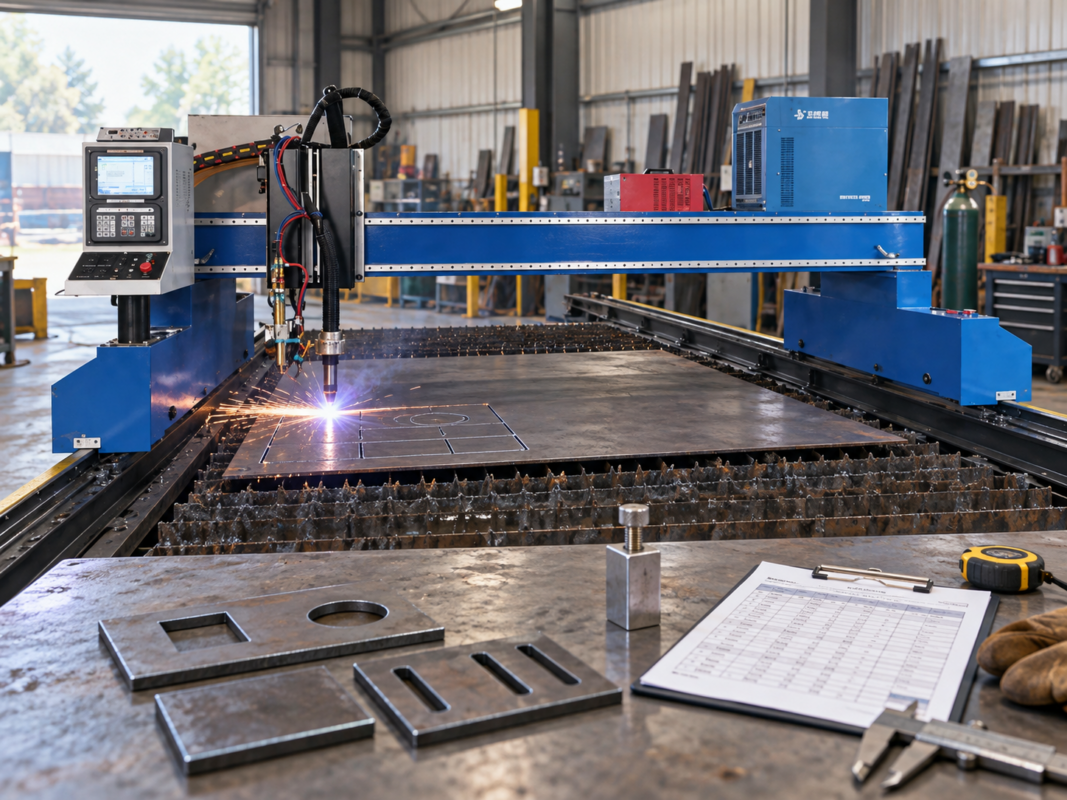
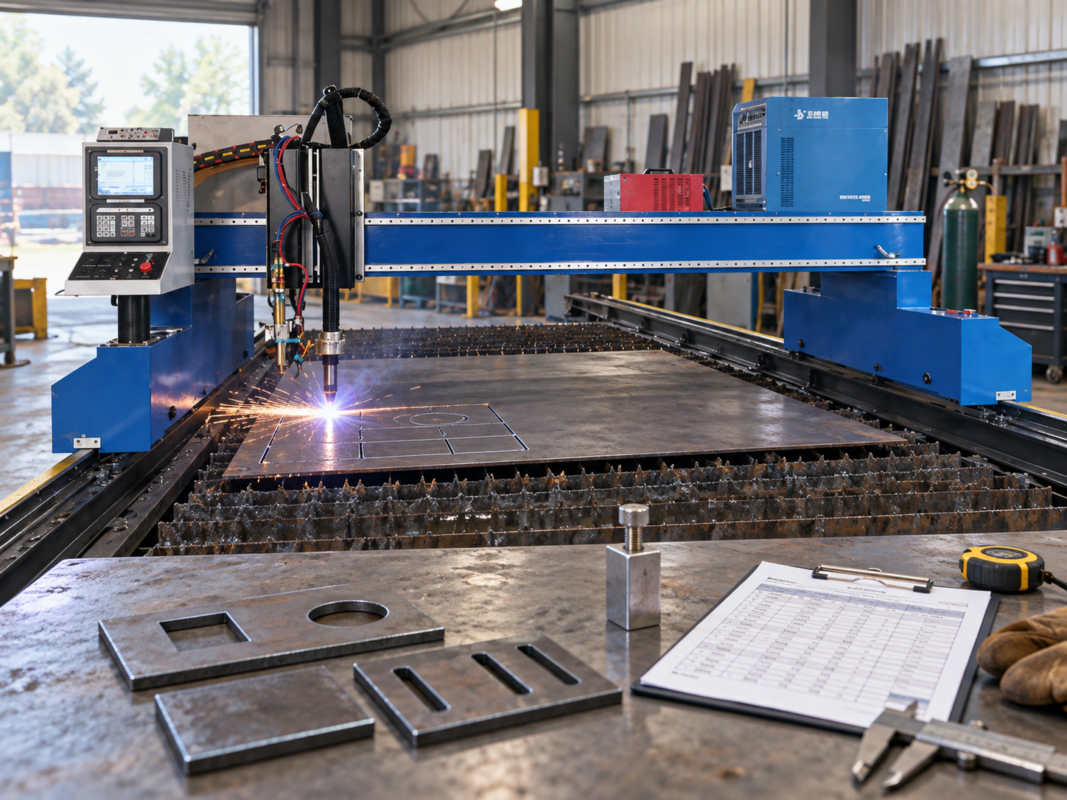
- Engineering teams defining auxiliary air requirements for CNC and laser equipment.
- Production facilities adding pneumatic tools, valves, actuators, or extra shifts.
- Maintenance teams reviewing moisture, leakage, storage, or filtration problems.
- Procurement teams preparing comparable technical quotations.
1. What to Confirm Before Choosing a High Pressure Air Compressor
Document what compressed air must achieve during a normal production cycle before comparing compressor ratings. The application determines pressure, flow pattern, air treatment, storage, control, and continuity requirements, so selection should not begin with motor power, receiver size, or the highest discharge figure on a catalogue page.
Two processes can use the same nominal pressure but create very different loads. One may consume air steadily throughout a shift, while another creates a short, heavy demand every few minutes. That difference can change the required compressor capacity, control strategy, and receiver arrangement.
Separate Normal, Peak, and Future Demand
A useful demand schedule separates continuous production load from intermittent events. It also identifies the maximum realistic combination of loads. This avoids treating every nameplate figure as continuous demand.
- Normal continuous consumption during stable production.
- Intermittent consumption from machine cycles or tools.
- Maximum simultaneous demand and its duration.
- Confirmed future demand from planned equipment or extra shifts.
Leakage should not be treated as useful production demand. Open drains, worn couplings, damaged hoses, and uncontrolled blowing can inflate measured consumption. A leak review before final sizing can reduce both capital demand and ongoing energy waste.
Record the Site Conditions
Ambient temperature, dust, humidity, altitude, ventilation, and access can influence cooling and reliability. The enquiry should describe the installation area rather than stating only that equipment will operate indoors.
Connect the Air System to the Actual Production Machine
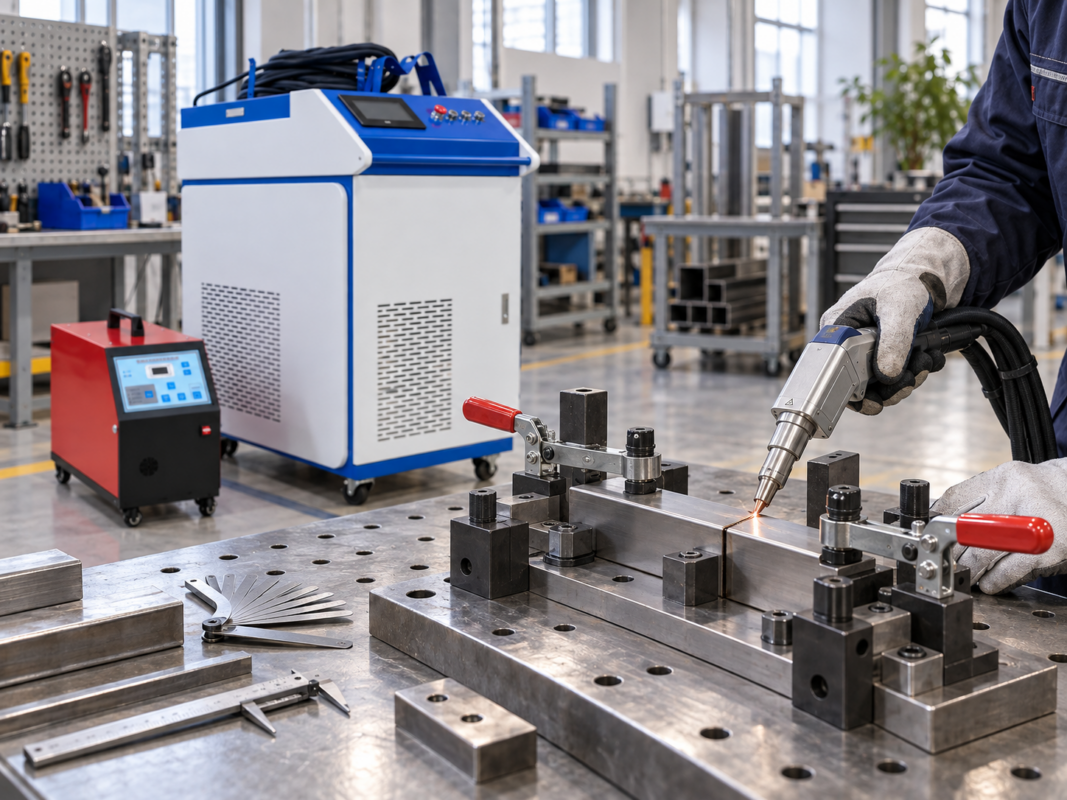
CNC and laser equipment can include pneumatic functions or process-specific gas requirements, but those requirements vary by machine and configuration. Compressor planning should follow confirmed machine documentation rather than a general workshop assumption.

2. Separate Process Pressure From Compressor Discharge Pressure
Required process pressure is the pressure needed at the operating point. Compressor discharge pressure is measured near the compressor package. These values differ because air loses pressure while moving through treatment equipment and the distribution network.
Filters, dryers, separators, valves, regulators, fittings, hoses, and long pipe runs all create resistance. Pressure loss also increases as flow rises. A network that appears satisfactory at low demand may become unstable during a production peak.
Build a Pressure Map
A practical pressure survey starts at the furthest or most sensitive machine. It then works backwards through the local regulator, branch line, main header, dryer, filters, receiver, and compressor outlet.
Each reading should include its location and production condition. Static pressure can look acceptable when no air flows. Once several loads start, restrictions can create a much larger pressure drop.
This map shows whether the shortage comes from generation or distribution. For example, an undersized coupling or blocked filter may create the same symptom as insufficient compressor capacity.
Follow the pressure path from source to machine
| Compressor | Receiver | Dryer & Filters | Piping | Machine |
Measure under load at more than one point. The largest drop often identifies where corrective work should begin.
Define Minimum, Normal, Peak, and Design Pressure
Minimum pressure is the lowest pressure that still allows the process to operate correctly. Normal pressure is the routine production condition. Peak pressure is a higher requirement with a stated duration and frequency.
Design pressure serves a different purpose. It relates to the approved pressure-containing equipment and should not be treated as the preferred operating set point. Increasing the set point does not increase the rating of connected components.
Every peak should include a time value. A five-second event once per hour differs greatly from a continuous requirement. The same peak figure can lead to different compressor, booster, storage, and control decisions.
Confirm Units and Measurement Basis
Technical documents may use bar, kilopascals, megapascals, or pounds per square inch. The RFQ should use one primary unit and label any conversions clearly. Gauge pressure and absolute pressure should also remain distinct.
Decide Whether You Need Higher Pressure or a System Fix
A low-pressure symptom does not automatically mean the plant needs a higher-pressure compressor. Before specifying a high pressure air compressor, identify whether the problem is source pressure, permanent flow shortage, distribution loss, or a short-duration peak.
3. Calculate Flow Demand and Duty Cycle
Pressure represents force potential, while flow represents delivered air volume over time. A line may show adequate pressure at rest but fail once several devices operate, so flow must be evaluated at the required operating pressure.
Create a Time-Based Demand Profile
List each air-consuming device and its rated or measured flow, then record operating duration, cycles per minute, utilisation, and overlap with other loads. This profile shows when demand occurs rather than only how large each load appears.
Separate base load from variable load. Base load continues through most production periods. Variable load rises with machine cycles, cleaning, operator activity, and batch changes.
Define Duty With Operating Detail
Duty cycle should describe running time, loaded time, unloaded time, starts, stops, and the longest continuous demand period. Shift length alone cannot show how the compressor operates.
- Shifts per day and hours per shift.
- Expected loaded percentage.
- Longest continuous load period.
- Starts, stops, and low-demand periods.
- Seasonal changes and planned production growth.
Use Storage for Peaks, Not Permanent Undersizing
A receiver can support a temporary event above compressor output. The compressor must still restore receiver pressure before the next event. If average demand remains above available capacity, pressure will continue falling.
Receiver sizing should include peak flow, event duration, compressor contribution, usable pressure band, response time, and recharge period. Local storage may help a remote machine, but the recharge path must not create another pressure disturbance.
| 1Peak demand starts | 2Receiver supports the shortfall | 3Compressor restores pressure | 4System is ready for the next peak |

Prepare the Data for an Availability Review
A meaningful availability discussion needs the required pressure, normal and peak flow, operating schedule, air purity, electrical supply, and installation conditions. The response should confirm the proposed basis, inclusions, exclusions, documentation, and current lead time.
4. Specify Air Quality, Drying, and Filtration
Every compressed-air process has an air-quality requirement. The important question is how much particle contamination, water, and oil the process can tolerate at the point of use.
General workshop tools, precision valves, coating processes, and instrument lines may need different outlet conditions. Treatment equipment should therefore follow process risk rather than a vague request for clean and dry air.
The official ISO 8573-1 compressed-air purity framework classifies particles, water, and oil. The required class should still be linked to a defined process need and sampling location.
Define Moisture Through Pressure Dew Point
Atmospheric air contains water vapour. Compression raises the temperature, while later cooling causes moisture to condense. Aftercoolers, separators, receivers, drains, dryers, and pipe temperature all influence downstream moisture.
A receiver can collect liquid condensate after cooling, but it does not replace a dryer where the process needs a controlled outlet condition. Pressure dew point provides a more useful requirement than the phrase dry air.
Dryer selection should include maximum flow, inlet temperature, operating pressure, ambient temperature, acceptable pressure drop, drain arrangement, and maintenance access. A nominal dryer rating without correction data may not represent site performance.
Match Treatment to the Required Outlet Condition
Refrigerated, adsorption, and membrane drying methods serve different applications. A refrigerated dryer may suit many general industrial duties. By contrast, a much lower pressure dew point may require another treatment method.
Each filter should also address a defined contaminant. More stages do not automatically create a better system because every element adds pressure drop and service requirements.
Plan Condensate Handling and Verification
Drains must handle the expected condensate volume and operating conditions. A failed drain can send water downstream, waste compressed air, or allow liquid to collect inside a receiver.
5. Plan the Receiver, Piping, Power, and Ventilation
A receiver stores compressed air and supports pressure stability. It can also give controls time to respond to a demand change, but receiver volume should be calculated from a defined operating requirement.
Useful stored air depends on starting pressure, minimum process pressure, peak demand, compressor contribution, and peak duration. Once receiver pressure reaches the minimum process limit, the remaining storage cannot support that event.
Choose Receiver Position Deliberately
A primary receiver near the compressor can support control stability. A secondary receiver near an intermittent load can support a local peak. These positions perform different functions.
Control Pressure Loss Through the Network
Pipe diameter, length, route, material, fittings, and branch design directly affect usable pressure. Each section should be checked at the highest realistic flow passing through it.
Quick couplings, regulators, valves, and flexible hoses often create hidden restrictions. Their effective passage may be smaller than the connecting pipe, so the review should cover the complete route to the machine.
Provide Cooling Air and Service Access
Compressors reject heat during operation. Poor ventilation can raise room temperature and reduce reliable performance. Intake and discharge paths should prevent hot air from returning directly to the machine.
Commissioning should verify actual performance against the agreed design basis. Record pressure, response to demand, temperature, dryer operation, drain function, alarms, and treatment pressure loss.
6. Include Safety, Compliance, and Maintenance
Compressed-air systems contain stored energy and may include hot surfaces, rotating equipment, noise, vibration, and electrical hazards. General selection guidance cannot replace a site-specific engineering design.
In South Africa, applicable pressure equipment requirements should be reviewed before purchase and installation. The official South African pressure-equipment regulations and incorporated standards guidance provides an authoritative starting point.
Request Clear Technical Documentation
A quotation should identify the design basis, operating limits, safety accessories, data-plate information, inspection documents, commissioning responsibilities, and installation exclusions.
A broad compliance statement does not explain scope. The response should show which documents cover the compressor, receiver, dryer, filters, piping, valves, and safety devices.
Prepare the Maintenance Plan Before Delivery
Maintenance planning should identify routine service items, access requirements, special tools, consumables, expected intervals, and critical spares. Hot, dusty, humid, or continuously loaded sites may need more frequent inspection.
For broader CNC equipment diagnostics, setup, repairs, and selected auxiliary-system questions, the available machinery technical support route can help establish the next step. Compressor-specific coverage must still be confirmed for the proposed project.
Important Safety Boundary
This guide supports equipment selection and RFQ preparation. It does not approve pressure-vessel sizing, relief-device selection, piping design, electrical work, pressure testing, ventilation, or commissioning.
No output, power rating, certification, warranty, delivery period, price, or supply status should be assumed without written confirmation for the final configuration.
7. Complete the RFQ Data Checklist
A structured RFQ allows every proposal to use the same operating basis. It also separates confirmed requirements from estimates and supplier assumptions.
Request a Structured Technical Response
The response should state the proposed compressor type, delivery pressure, operating range, flow basis, motor requirement, cooling method, and control method.
Compare the Complete Installation Scope
The compressor is only one part of the project. Delivery, handling, electrical work, piping, ventilation, treatment, compliance, commissioning, maintenance, and spares may all affect total cost and production risk.
Frequently Asked Questions
Summary and Practical Next Steps
A sound compressor decision begins with the process rather than the catalogue. Pressure, flow, duty, air quality, storage, distribution, electrical supply, environment, safety, and maintenance should be reviewed as one operating system.
The key decision is whether the plant has a distribution problem, a short-duration peak, a permanent flow shortage, or a genuinely sustained higher-pressure process requirement. Measured data should replace assumptions wherever practical, and a completed RFQ should let different proposals be compared against the same operating basis.
- Measure pressure and demand during a representative production shift.
- Define air purity, duty, environment, power, storage, and treatment requirements.
- Request written confirmation of configuration, scope, documentation, and availability.
Request a Technical Consultation
A suitable high pressure air compressor can only be confirmed after operating data, production demand, air-quality targets, and site conditions have been reviewed together. Submit the completed RFQ details to discuss availability and the information still requiring technical confirmation.